Roehampton University rubbish clearance insider tips SW15
Posted on 13/08/2026
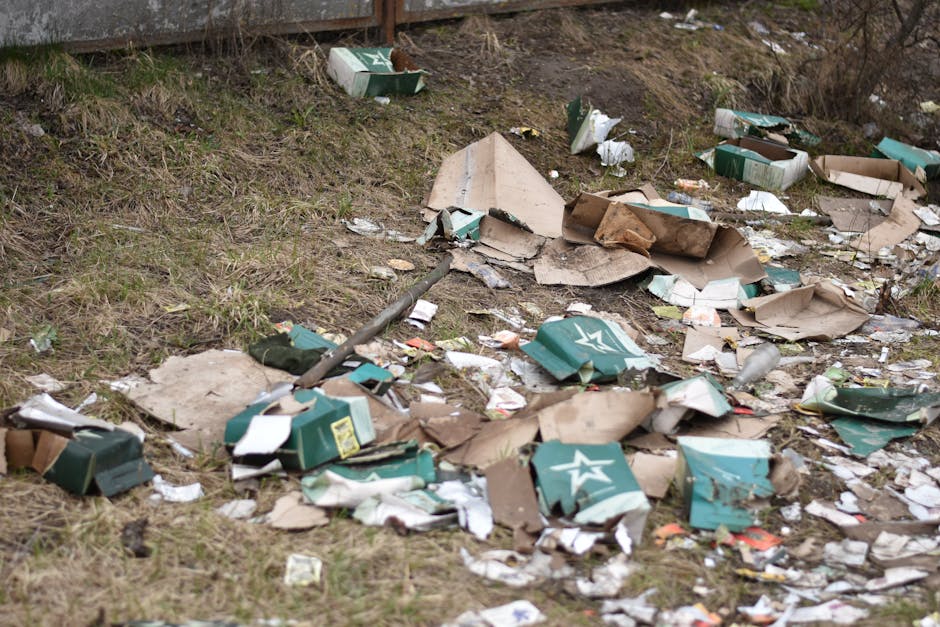
Roehampton University rubbish clearance insider tips SW15: a practical local guide
If you are dealing with Roehampton University rubbish clearance insider tips SW15, you are probably trying to solve one of those annoyingly common situations: end-of-term clutter, a student move-out, a last-minute room clear, or a bigger tidy-up in nearby SW15. It sounds simple on paper. In real life, it is usually a mix of awkward stairwells, black bags that multiply overnight, old furniture nobody wants, and a deadline that feels closer than it should. The good news? With a bit of planning, rubbish clearance around Roehampton can be quick, tidy, and far less stressful than you expect.
This guide walks through the smart way to approach clearance in and around Roehampton University, with local-minded tips, compliance reminders, and a few shortcuts that save time without cutting corners. If you want a cleaner flat, a calmer move, or just less chaos at the end of the week, you are in the right place.
Why Roehampton University rubbish clearance insider tips SW15 matters
Rubbish clearance near a university is not the same as clearing a quiet spare room at home. There is usually more pressure, more movement, and more mixed waste. One student is leaving London, another is replacing half their furniture, and a third has somehow accumulated five broken hangers, two suitcases, and a desk chair with one wheel missing. It all adds up.
In Roehampton and the wider SW15 area, clearance matters because space is at a premium and deadlines are unforgiving. Landlords want properties left in decent condition. Students want deposits back. Flatmates want the hallway usable again. And if you wait too long, you end up making rushed decisions that cost more time and money than they should. Truth be told, a lot of clearance stress comes from leaving the job until the final 24 hours.
There is also a local practical side. University clearances often involve mixed items: books, broken electronics, bedding, packaging, small appliances, furniture, and the odd mystery bag you do not want to open twice. Sorting those properly before removal can reduce the load, keep the process tidy, and avoid unnecessary handling. If you are planning a wider property move or a room reset, it may help to look at broader local context too, such as what people usually notice when moving to Roehampton or the practical advice in this moving-home clearance guide.
Expert summary: the real value of good rubbish clearance is not just removing waste. It is reducing decision fatigue. Once you have a system, everything gets easier: packing, cleaning, handover, and even the slightly miserable bit of finding the last charger under the bed.
How Roehampton University rubbish clearance insider tips SW15 works
At its simplest, rubbish clearance is about identifying what needs to go, separating what can be reused or recycled, and arranging removal in a way that matches the property, the timetable, and the type of waste involved. Around Roehampton University, that often means handling a small but messy mix of domestic waste, furniture, and occasional bulky items.
The process usually works best in five stages:
- Survey the space. Walk the room or flat first. Check cupboards, under beds, balcony corners, sheds, and communal storage. People miss things in these spots all the time.
- Sort by category. Separate general waste, recyclable materials, furniture, appliances, and anything that needs extra care.
- Identify bulky or awkward items. Think desks, mattresses, wardrobes, white goods, or damaged seating. These need more planning than simple bagged rubbish.
- Choose the right collection route. Small one-off clearances may suit a straightforward collection, while bigger clear-outs may need a broader waste removal approach. For heavier jobs, the service pages for rubbish collection in Roehampton and waste removal in Roehampton are useful starting points.
- Prepare access and timing. Clear stairways, confirm parking or loading access, and choose a time when the building is less busy. This one detail can save a surprising amount of hassle.
A small but important point: the more clearly you present the items, the quicker the clearance tends to move. If bags are tied, furniture is grouped, and anything reusable is separated out, the job becomes smoother for everyone. No drama. Less lifting. Better flow.
For more specialised items, separate services can make life easier. For example, old fridges and washing machines are better handled through white goods and appliance disposal, while worn seating or tables may be better suited to furniture disposal or furniture removal.
Key benefits and practical advantages
Good clearance is not just about tidiness. It creates room to breathe, and that matters more than people think when they are dealing with moves, handovers, or property changes. Here are the main benefits that tend to show up quickly.
- Faster move-out or reset. You are not tripping over random items while trying to clean, pack, or photograph a room.
- Better odds of a smooth handover. Landlords, letting agents, and housemates usually appreciate a place that is cleared properly.
- Less risk of last-minute panic. If you leave clearance too late, even normal household clutter starts looking like a crisis.
- More sensible sorting. Reusable, recyclable, and disposable items can be separated before anyone starts lifting.
- Less strain on building access. Staircases, lifts, shared entrances, and narrow hallways are easier to manage when the load is planned well.
There is also a hidden benefit that people overlook: emotional reset. A cleared room can feel like a proper line under the previous chapter. That sounds a bit sentimental, maybe, but anyone who has looked at an empty desk by dusk knows the feeling. The room changes. You change with it.
If you are clearing a property for a sale or transfer, the wider context matters too. The articles on steps to sell property in Roehampton and the Roehampton property buying guide can help you understand how a clean, uncluttered space supports a better presentation overall.
Who this is for and when it makes sense
This kind of rubbish clearance is especially useful for:
- students moving out at the end of term
- housemates splitting up a shared flat
- people moving into or out of SW15 and needing a fast room clear
- landlords preparing a property for new tenants
- families helping a student or young adult clear a room
- small businesses or home offices near Roehampton that need a quick tidy-up
- anyone with bulky items that will not fit into normal bins, and frankly never really did
It makes sense when the job is bigger than what you can do in a single trip to the local tip, or when timing matters more than doing it piece by piece. If you only have a few bags, you might manage with a standard domestic clear-out. If you have furniture, broken appliances, cardboard mountains, and a strict move-out time, a more structured clearance is usually the sensible route.
Students often underestimate how much waste comes from an ordinary term time. Packaging, old books, takeaway containers, broken kitchen bits, spare bedding, and that one item everyone swears belongs to someone else. In our experience, that is where most delays start: nobody claims the stuff, so nobody plans for it.
Step-by-step guidance
Here is a straightforward way to tackle clearance without making it harder than it needs to be.
- Start with the obvious items. Gather anything large, broken, or no longer needed. Bedsides, shelving, chairs, suitcases, and worn-out storage boxes are good first targets.
- Make a keep, donate, recycle, remove decision. Do this before bags start filling. It saves re-handling later.
- Check for special waste. Electronics, batteries, paint, chemicals, and certain appliances should be handled carefully. Do not just throw everything in one pile and hope for the best.
- Flatten packaging and bundle lightweight materials. Cardboard, paper, and soft packaging are easier to manage when compacted.
- Create a clear staging area. Use one corner or one room for items to be removed. It keeps the rest of the property liveable while you work.
- Measure awkward items. If something has to go through a narrow stairwell or a tight landing, check size before collection day. People skip this and then everyone stands around staring at a wardrobe that does not fit. Not ideal.
- Book a collection that matches the volume. For example, a small student room clear is different from a full flat clearance. Match the service to the actual load, not the hope that it will all magically disappear.
- Do a final sweep. Check drawers, cupboards, behind radiators, balcony corners, and under furniture. The last sweep is where lost cables, keys, and old notebooks tend to show up.
One small tip that works almost every time: keep a bin liner or box for "unsure" items, but do not let it sit there forever. Give yourself a decision deadline. If you are not using it this week, and it is not going with you, it probably belongs in the removal pile.
Expert tips for better results
If you want the clearance to feel easy rather than merely possible, these are the details that make a real difference.
Book before the deadline pressure kicks in
University move-outs and end-of-tenancy dates can bunch up fast. If you leave everything until the last day, you are dealing with your own schedule plus everyone else's. That is when parking gets awkward, lifts get busy, and tempers get a bit short.
Keep access clear from the start
Hallways, stairwells, and entrance points should stay free of loose clutter. The collection team can only move as fast as the route allows. If access is awkward, tell someone early. A simple heads-up helps more than people realise.
Separate the heavy from the light
Heavy items should not be hidden under light bags, and sharp or awkward pieces should not be mixed carelessly into piles. It is a safety issue, but it also speeds things up. For bulky household items, the dedicated pages for house clearance in Roehampton and loft clearance can be useful if you are dealing with more than a single room.
Think in layers, not in one giant pile
First layer: small bags and soft waste. Second layer: boxes and recycling. Third layer: furniture and larger items. This makes the room easier to work through. It also stops you from creating a small mountain of indecision in the middle of the floor. We have all seen that mountain. Nobody likes it.
Keep proof and paperwork close
If you are using a professional service, keep booking details, payment confirmation, and any compliance information to hand. It just makes the process smoother if questions come up.
Ask about recycling and reuse early
Not everything should be treated as waste. Some items can be reused, donated, or recycled depending on condition. If sustainability matters to you, the company's recycling and sustainability approach is worth checking before you book.
Common mistakes to avoid
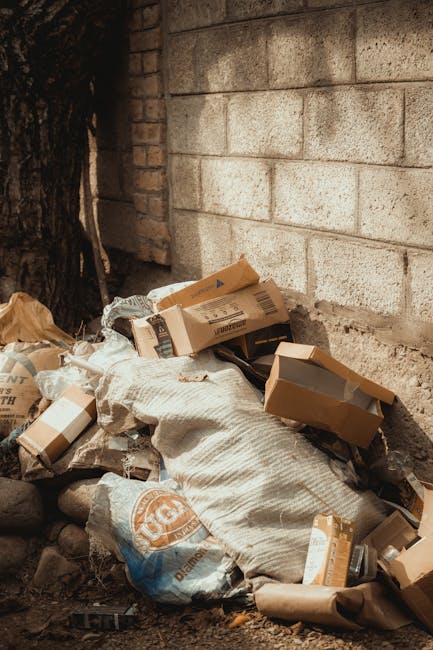
Most clearance problems are predictable. That is the annoying part. The good news is they are also avoidable.
- Leaving sorting until the last minute. This creates piles, confusion, and extra handling.
- Mixing everything together. Recyclables, electricals, and general rubbish should not all go into one anonymous heap.
- Forgetting bulky items. A sofa or mattress can change the entire job size. Always count them early.
- Assuming access is easy. Buildings in SW15 are not all laid out the same. Check stairs, parking, loading space, and lift access.
- Using an unverified removal option. This one matters. If waste is not handled properly, the problem can come back to you.
- Ignoring safety. Gloves, sturdy shoes, and careful lifting are not overkill. They are common sense.
- Underestimating how much is hidden. Cupboards, drawers, under-bed storage, and loft spaces often hold more than people remember. Especially if it has been a busy term.
A slightly funny but true observation: the final 10 percent of a clearance often takes 50 percent of the effort. That last bag, that last broken lamp, that one box of cables no one wants to identify - it all takes time. Plan for it.
Tools, resources and recommendations
You do not need fancy equipment for a good clearance, but a few simple tools make everything easier.
- Strong bin bags and boxes. Use sturdy bags for general waste and proper boxes for books, electronics, and mixed smaller items.
- Marker pens and labels. Mark "keep," "donate," "recycle," and "remove." It reduces argument, which can be useful in shared flats.
- Work gloves. Handy for lifting cardboard, broken furniture, and dusty storage items.
- Tape and scissors. Good for flattening packaging and bundling loose materials.
- Phone camera. Take a quick photo of the room before and after. It helps with move-out records and just keeps things clear in your own mind.
- Measuring tape. Essential for awkward furniture and narrow access points.
For service planning, the website's services overview is a useful place to understand the range of clearance and removal options. If the job involves several item types, the most relevant page is usually the one that matches the largest or most awkward item group.
If you are comparing how to pay or what to expect, the sections on pricing and quotes, payment and security, and terms and conditions can help you feel more confident before you confirm anything.
Law, compliance, standards, or best practice
When waste is removed from a property, the big thing to remember is this: it should be handled responsibly, by someone who can do the job properly. In the UK, waste must be collected and transferred in line with accepted compliance practices. You do not need to memorise legal detail, but you do need to avoid casual shortcuts.
As a homeowner, tenant, student, or landlord, the safest approach is to use a service that can demonstrate proper waste handling and carrier compliance. That helps reduce the risk of fly-tipping, improper disposal, or confusion over who is responsible for the waste once it leaves the property. If a provider cannot clearly explain how they work, that is usually a sign to pause.
It is also sensible to think about safety. Rubbish clearance often involves lifting, carrying, navigating stairs, and handling awkward items. A reputable provider should take this seriously. The site's waste carrier licence and compliance information and insurance and safety details are relevant if you want reassurance before booking.
Where environmental responsibility is concerned, best practice is simple: separate what can be recycled, avoid contaminating recyclable waste with general rubbish, and choose a provider that treats sustainability as part of the job rather than a buzzword. Nice in theory, yes, but also practical.
Options, methods, or comparison table
There are a few ways to deal with clearance near Roehampton University. The best option depends on time, volume, item type, and how much lifting you want to do yourself.
| Method | Best for | Pros | Trade-offs |
|---|---|---|---|
| Self-clearance | Very small amounts of waste | Cheap, flexible, simple for a few bags | Time-consuming, tiring, and awkward for bulky items |
| Partial clearance | One room, one category, or a few bulky items | Good balance of control and convenience | Still requires sorting and some preparation |
| Full clearance | Move-outs, end-of-tenancy, or larger room clearances | Fast, tidy, and less stress on the day | Usually the most involved option to arrange |
For many students and small households, partial clearance is the sweet spot. It handles the worst items while keeping costs and disruption under control. For landlords, larger clearances, or busy move-out schedules, a fuller service can be the better call because it keeps everything moving on time.
There is no universal answer here. It depends on your space and your deadline. That sounds obvious, but it is the bit people skip, and then regret later.
Case study or real-world example
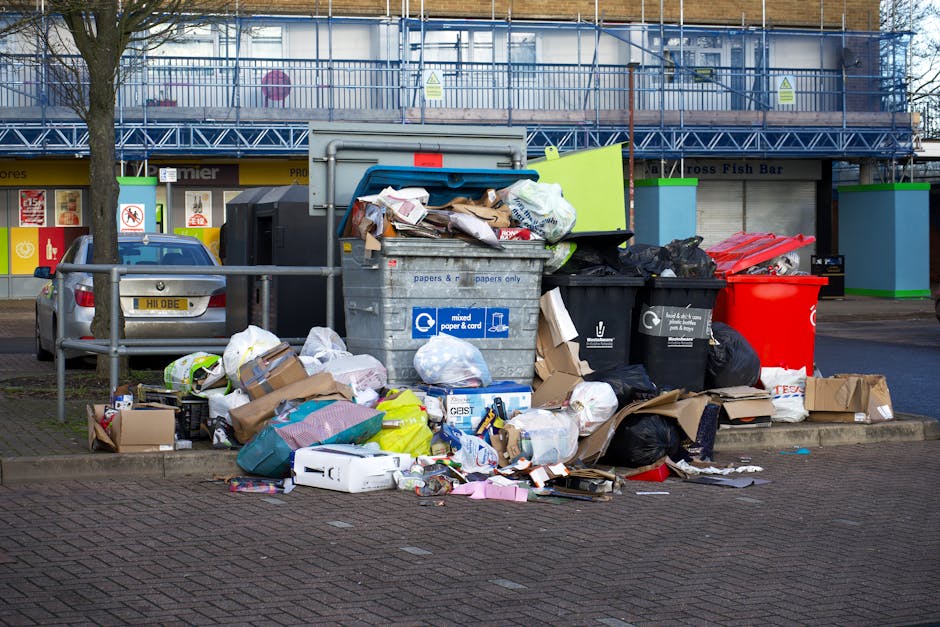
Picture a shared flat near Roehampton University at the end of term. The kitchen has leftover cardboard, a broken toaster, three half-empty bags, and an old shelf that no one wants to claim. One bedroom has a mattress topper, a small bookcase, and a desk chair missing its armrest. Another room is already packed, but the hallway is cramped, and the building has a narrow stairwell. Not unusual at all.
The smoothest way through that kind of job is to sort the clear-out into categories first. The shared items go into one zone. Furniture goes into another. Anything recyclable is separated, and anything questionable is checked before it gets tossed. By the time collection day arrives, the rooms feel calmer and the removal team can move without constantly stopping to ask what belongs where.
What made the biggest difference? Preparation. Not expensive preparation. Just simple, quiet sorting done early enough to matter. The flat did not feel perfect, but it felt manageable. And that is often the real win.
If the clearance is part of a bigger move, the timing can overlap with property plans too. In that case, it may be useful to read about steps to sell property in Roehampton or, if you are thinking of a longer-term move, the essential ways to clear your home before moving abroad.
Practical checklist
Use this checklist before collection or before you start a self-clear-out:
- Walk every room and storage space once
- Separate general waste, recycling, furniture, and appliances
- Label items to keep, donate, or remove
- Check for batteries, electronics, and other special items
- Measure bulky furniture and note any access issues
- Clear hallways, doorways, and stair access
- Confirm parking or loading arrangements if needed
- Keep important paperwork and valuables out of the waste zone
- Do a final sweep of cupboards, drawers, and under beds
- Make sure you know who is responsible for the final handover
Quick takeaway: the best clearance jobs are not the ones with the biggest truck. They are the ones with the clearest plan.
Conclusion
Roehampton University rubbish clearance insider tips SW15 really comes down to three things: sort early, stay realistic, and choose the right level of help for the amount of waste you actually have. If you do those three things well, the rest becomes much easier. The room clears faster, the handover feels less fraught, and you avoid the last-minute scramble that so often makes moving day feel chaotic.
Whether you are clearing a single student room, a shared flat, or a more complicated mix of furniture and household waste, the smartest route is usually the one that balances speed, safety, and proper disposal. A bit of planning now can save you a lot of stress later. And honestly, that peace of mind is worth quite a lot.
Get a free quote today and see how much you can save.
When the clutter is finally gone and the floor is clear again, the place tends to feel lighter somehow. That quiet reset is often the best part.